

Colors are a powerful tool that may be used to attract attention, produce a certain mood, or even influence buying decisions. This is why so many businesses are utilizing color psychology when designing their trade show booths. But how do you decide which colors to utilize? Keep reading to find out more about the fundamentals of color psychology and just how to utilize it effectively in your trade show displays near me.

Understanding Color Psychology
Color psychology is the analysis of how colors affect our emotions, behaviors, and perceptions. While everyone's reactions to colors can differ slightly, research shows that certain colors can evoke certain feelings in most people. For example, red typically elicits feelings of energy and passion while blue often evokes feelings of trustworthiness and stability. Therefore, it's important to consider the kind of emotions you want your booth visitors to see when selecting colors for your trade show booth design.
Choosing Colors for Your Booth Design
When selecting colors for your trade show booth design, it's vital that you bear in mind both the emotion you're wanting to evoke as well as the message you're trying to convey. Like, if you'd like visitors to feel energized when they enter your booth space, then red could be a great choice; however, if you're trying emphasize a feeling of trustworthiness or dependability, then blue might be a better option. Additionally, some colors might have specific connotations depending on where you're located geographically; for example, green may signify growth or fertility in a few cultures while white could represent death or mourning in others. It is a must that you understand these cultural nuances before generally making any decisions about color selection for the booth design.
Using Accents in Your Booth Design
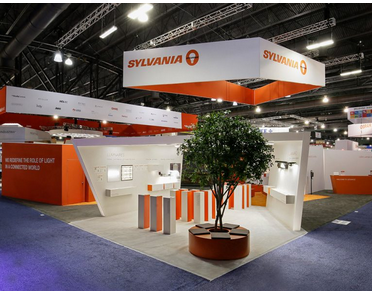
In addition to selecting a couple of main colors for your booth design, adding accent colors can help create contrast and draw focus on certain elements within the room such as product displays or signage. Accent colors must certanly be chosen carefully – a lot of contrast between primary and accent colors can make the general effect jarring as opposed to inviting. It can also be helpful to consider that lighter shades tend to appear bigger than darker shades so look at this whenever choosing accents for the booth design as well.
Conclusion:
Color psychology is a highly effective tool for creating an engaging trade show booth experience that resonates with attendees on an emotional level. By understanding basic principles of color psychology and selecting primary and accent shades accordingly, exhibitors can make a booth environment that conveys their message clearly while still being visually appealing at the same time. With careful consideration given towards both emotion and message during color selection process, exhibitors have the potential to improve engagement with their audience at any event they attend!